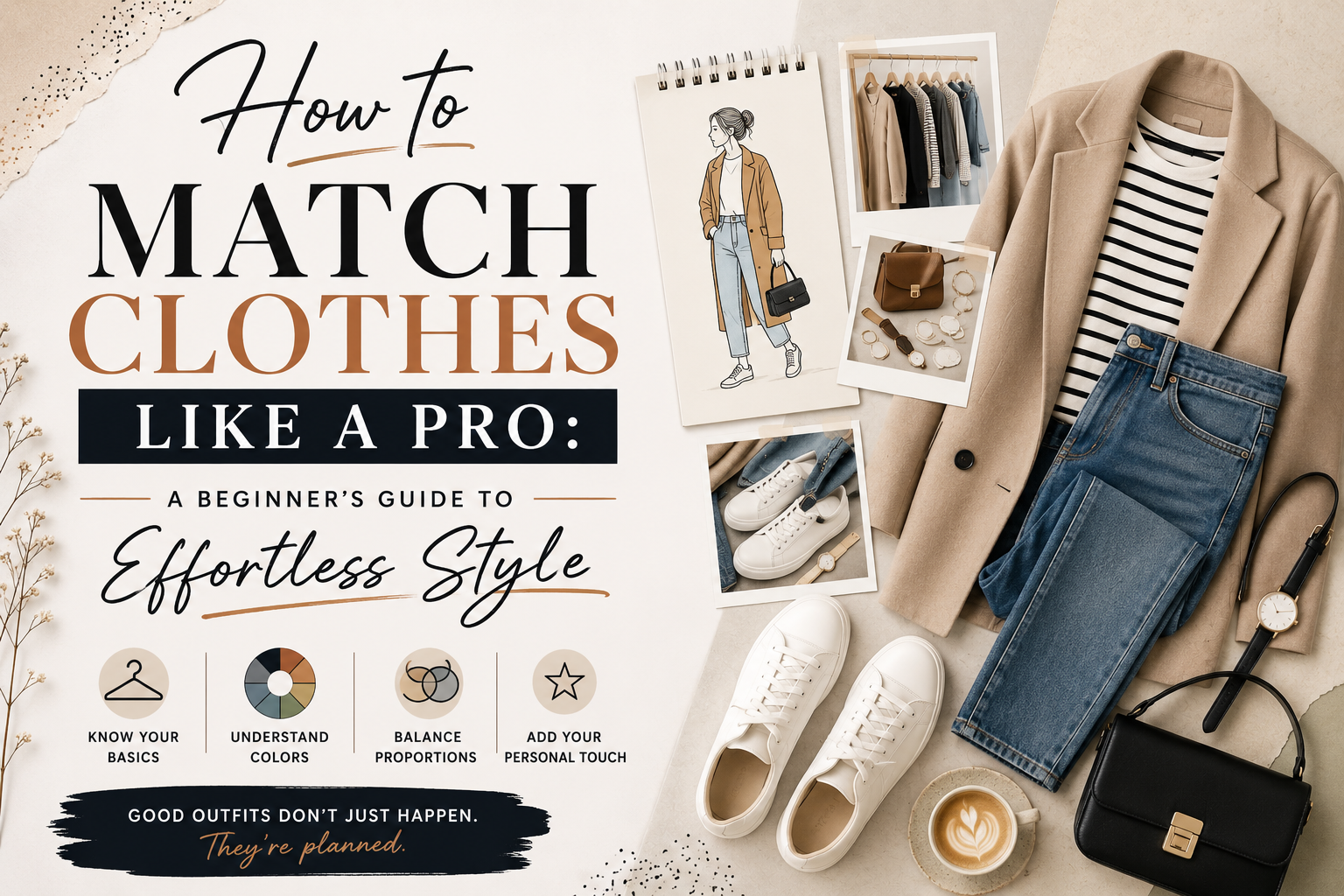
Matching clothes is more than just choosing your favorite shirt and pants. The right outfit creates a polished look, boosts confidence, and helps you express your personality. Whether you’re dressing for work, college, a party, or a casual day out, learning how to match clothes like a pro can transform your wardrobe.
In this guide, you’ll discover simple styling tips that make outfit matching easy, even if you’re just starting your fashion journey.
1. Start with Neutral Colors
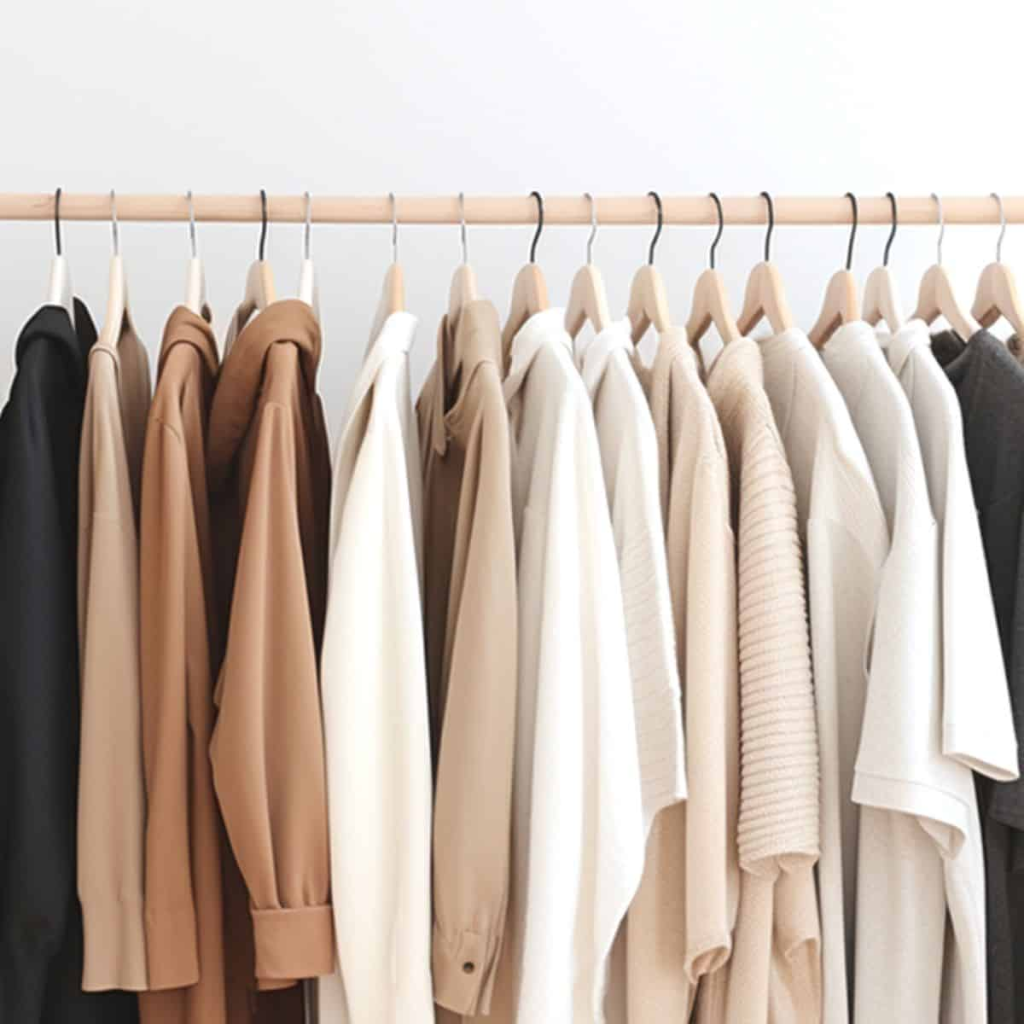
Neutral colors are the foundation of every stylish wardrobe. Shades like black, white, gray, beige, navy, and brown pair well with almost every color. If you’re unsure about matching clothes, choose neutral-colored bottoms and add a colorful top for a balanced outfit.
For example:
- White T-shirt + Blue Jeans
- Black Shirt + Gray Trousers
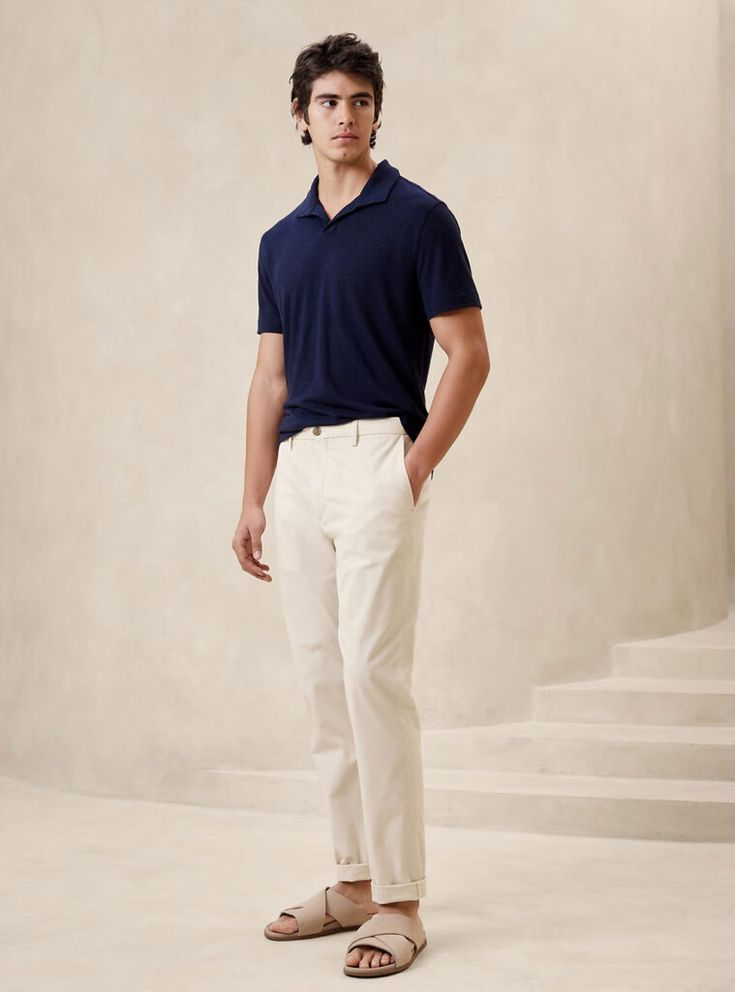
- Beige Pants + Navy Polo Shirt
These combinations always look clean and timeless.
2. Understand the Color Wheel
Learning basic color combinations can instantly improve your outfits.
Here are three easy ways to match colors:
- Monochromatic: Different shades of the same color, such as light blue with navy blue.
- Complementary: Opposite colors on the color wheel, like blue and orange or purple and yellow.
- Analogous: Colors that sit next to each other, such as green, blue, and teal.
If you’re new to fashion, limit your outfit to two or three colors for a sophisticated appearance.
3. Balance Patterns and Solid Colors
Patterns add personality, but wearing too many at once can make an outfit look busy.
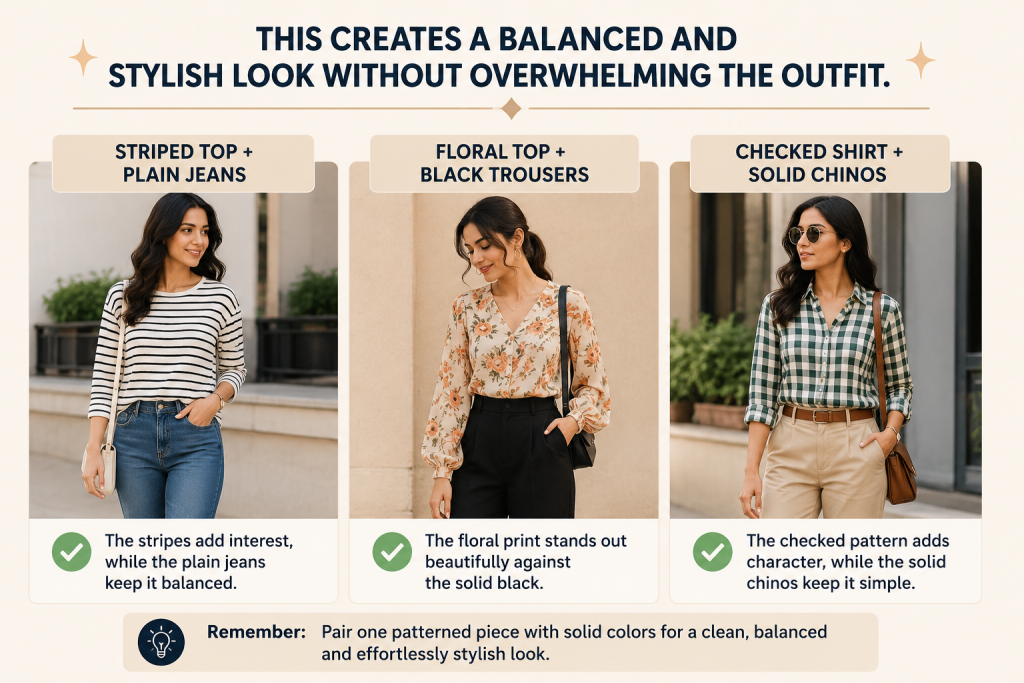
A simple rule is to pair one patterned item with solid-colored clothing.
Examples:
- Striped shirt with plain jeans
- Floral top with black trousers
- Checked shirt with solid chinos
This creates a balanced and stylish look without overwhelming the outfit.
4. Choose Clothes That Fit Well
Even the most expensive clothes won’t look good if they don’t fit properly. Well-fitted clothing enhances your appearance and makes every outfit look more polished.
When shopping, pay attention to:
- Shoulder fit for shirts and jackets
- Sleeve and pant length
- Comfortable waist fit
- Proper overall silhouette
Avoid clothes that are too tight or too loose unless they are intentionally designed as oversized fashion.
5. Match Fabrics with the Occasion
Different fabrics create different looks.
For casual wear, choose cotton, linen, or denim. For formal occasions, opt for fabrics like wool, silk, or premium blends.
Mixing very formal and very casual fabrics can sometimes look unbalanced, so keep the overall style consistent.
6. Coordinate Shoes and Accessories
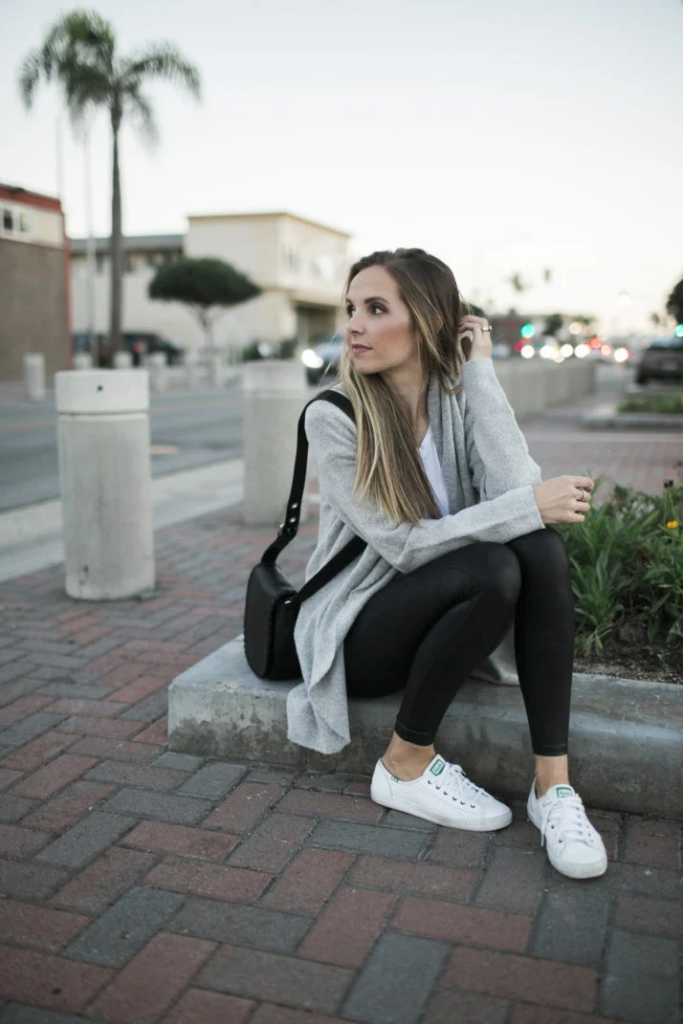
Shoes complete an outfit.
Some classic combinations include:
- White sneakers with casual outfits
- Loafers with smart casual clothing
- Formal leather shoes with business attire
Accessories such as belts, watches, handbags, sunglasses, and jewelry should complement your outfit rather than overpower it. A simple leather belt that matches your shoes creates a polished finish.
7. Dress for the Occasion
Your outfit should always match the event.
For example:
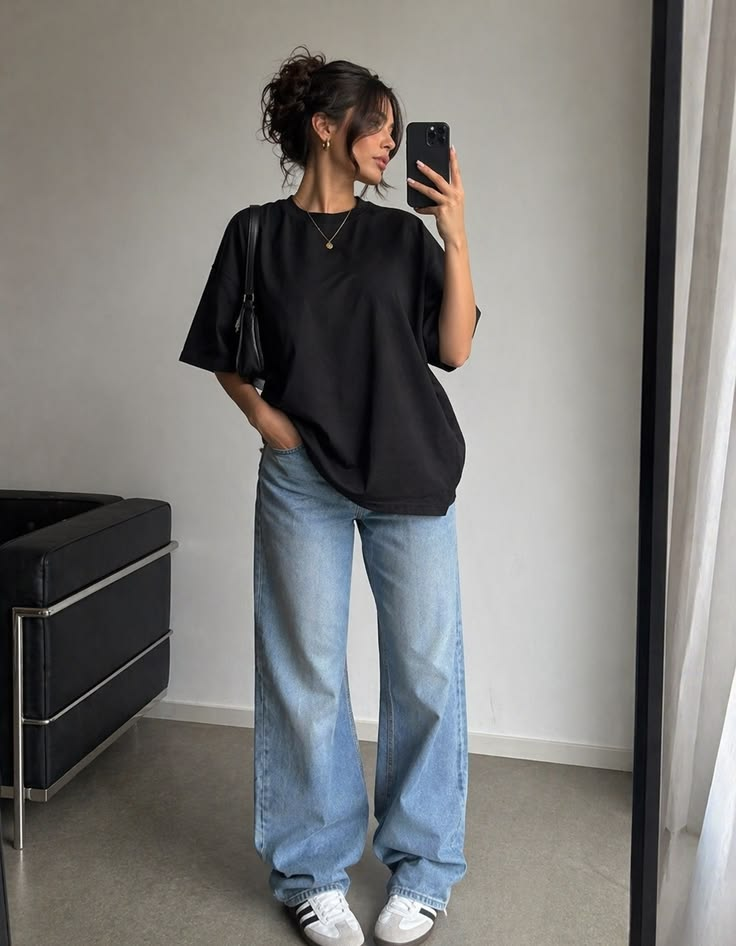
- Casual outings: T-shirt, jeans, and sneakers
- Office: Button-down shirt, trousers, and loafers
- Parties: Stylish shirt, fitted jeans, and boots
- Weddings: Suit, blazer, or traditional attire
Wearing appropriate clothing helps you look confident and respectful
.
8. Build a Wardrobe with Versatile Pieces
A few timeless wardrobe essentials can create dozens of outfit combinations.
Must-have items include:
- White T-shirt
- Black T-shirt
- Blue jeans
- Black trousers
- Denim jacket
- White sneakers
- Neutral blazer
- Solid-colored shirts
These basics are easy to mix and match, making everyday dressing effortless.
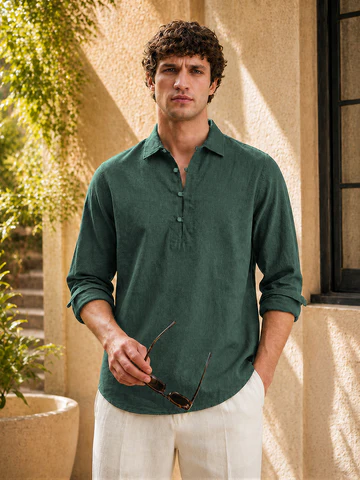
Common Outfit Matching Mistakes
Avoid these common fashion mistakes:
- Wearing too many bright colors together
- Mixing several bold patterns in one outfit
- Choosing clothes that don’t fit well
- Ignoring the importance of shoes
- Wearing wrinkled or poorly maintained clothing
- Over-accessorizing
Keeping your outfit simple often creates the most stylish result.
Final Thoughts
Learning how to match clothes like a pro doesn’t require an expensive wardrobe or expert styling skills. By understanding color combinations, choosing clothes that fit well, balancing patterns, and investing in versatile wardrobe essentials, you can create stylish outfits for any occasion.
Fashion is all about confidence and personal expression. Experiment with different combinations, discover what suits your personality, and wear every outfit with confidence. With a little practice, matching clothes will become second nature, helping you look polished and feel your best every day.